Built to Be Rebuilt
Why drum motors fail and how oil-free Direct Drive Rotary Motion changes the equation.
They Built a Network for Failure
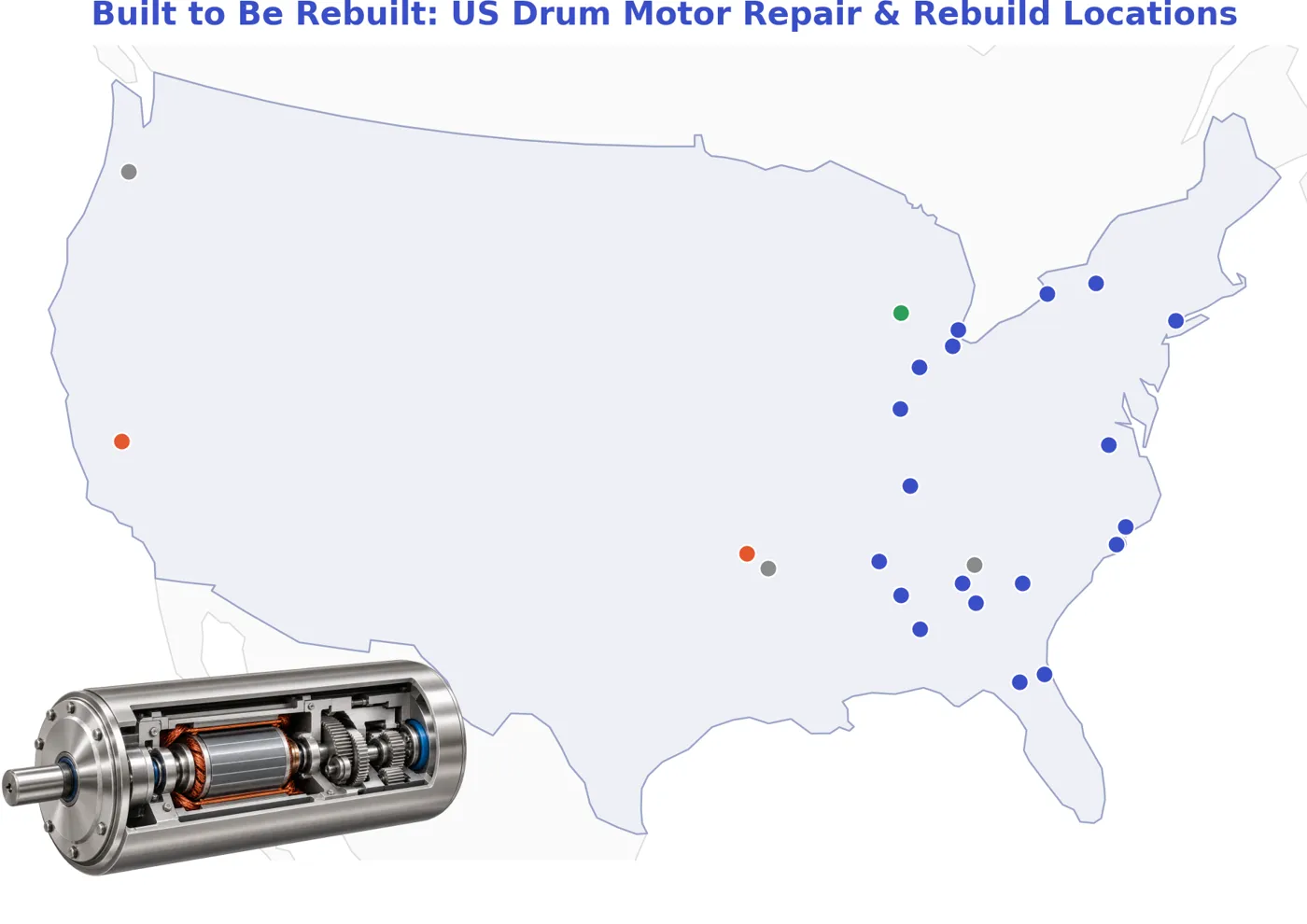
There are more than 40 drum motor repair and rebuild locations across the US.
The major manufacturers have each built for it:
- Rulmeca lists at least 26 US motorized pulley service centers and does assembly and repair at its own Wilmington, NC facility.
- Van der Graaf runs a factory service center in Russellville, Arkansas, in the middle of poultry country, plus an authorized warranty center in California.
- Interroll supports customers through a global network of company repair shops and certified service partners.
- Sparks Dura-Drive calls for an oil change every 25,000 hours and recently introduced a new cartridge seal to improve oil retention.
- Independent repair centers rebuild every major brand, including Interroll®, Van der Graaf®, Rulmeca® and Sparks®.
Nobody builds a service network this size for equipment that rarely needs service.
Drum motor makers plan for rebuilds.
What gets replaced in a standard rebuild?
- Seals
- Bearings
- Oil
- Gaskets
- Stator windings, when they’ve failed
These shops do excellent work. But every rebuild still means downtime, freight, labor and a spare motor on the shelf.
Drum Motor Rebuild & Repair Videos
-
Interroll Drum Motor Assemble: oil seal and bearing replacement https://www.youtube.com/watch?v=11WEBR4S7Ks (opens in a new tab)
-
Burnt Conveyor Drum Motor Repair: complete rewinding and reconditioning, before and after https://www.youtube.com/watch?v=BE3AYLWAQ80 (opens in a new tab)
-
Full Restoration Video: Full Repair Drum Motor (testing, teardown, rewinding, balancing, load testing) https://www.youtube.com/watch?v=D-c-5crz0mQ (opens in a new tab)
-
Motor Rewinding: Roller/Drum Motor, Disassemble and Assemble
https://www.youtube.com/watch?v=nmbjno0m7oU (opens in a new tab)
-
Motor Rewinding: Roller/Drum Motor Rewinding, Disassemble and Assemble https://www.youtube.com/watch?v=E9eZnwv8qZI (opens in a new tab)
-
Rulmeca: How to Take an Oil Sample and Change Oil in Small Drum Motors https://rulmecacorp.com/how-to-change-oil-in-small-drum-motors/ (opens in a new tab)
-
Rulmeca: How to Assemble and Repair Bulk Motorized Pulleys https://www.youtube.com/watch?v=XwNtNXLyjBk (opens in a new tab)
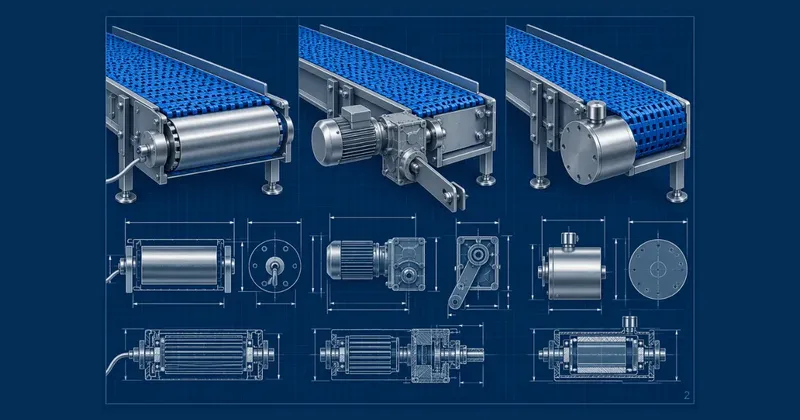
Heat drives the wear. A geared drum motor runs its motor and gearbox in an oil bath inside a sealed shell. The oil lubricates the gears and also carries heat away from the windings. As the drum heats up, the oil and air inside expand and push against the seals. Then the line is washed down with cold water. The drum cools, the pressure inside drops, and moisture can be drawn back in across those same seals.
That’s thermal breathing, and it repeats every shift and every sanitation cycle. Industry research identifies water and chemical ingress as the leading cause of washdown motor failure.
What does “food-grade” oil actually mean? Drum motors use NSF H1 lubricants. H1 doesn’t mean safe to eat. It means the oil is allowed to touch food only by accident, in trace amounts of no more than 10 parts per million.
Seals that let moisture and residue in can also let oil out. Gearbox makers who serve food plants call this two-way contamination a vicious cycle.
The oil change that rarely comes. Drum motor manuals call for an oil change every 25,000 to 50,000 operating hours. Sparks specifies 25,000 hours, and Van der Graaf’s manual specifies 50,000. In a 24/7 plant, that works out to roughly 3 to 6 years.
In washdown plants, the seals often fail first:
- Ingress is the leading cause of failure. Food Engineering identifies water and chemical ingress as the top cause of washdown motor failure, at $5,000 to $7,500 in downtime per failure.
- The manufacturers’ own field reports show it. A Sparks case study describes a pork plant with water ingress, repeated bearing failures and at least two complete motor failures per year.
- The repair warranty is short. Rebuild warranties run one to two years, so the motor’s next trip to the shop is already part of the plan.
- Poultry plants plan around it. In the poultry operations we serve, drum motors are commonly rebuilt every 18 months to 2 years and retired after their second rebuild.
For many plants, the scheduled oil change never comes, because the rebuild comes first.
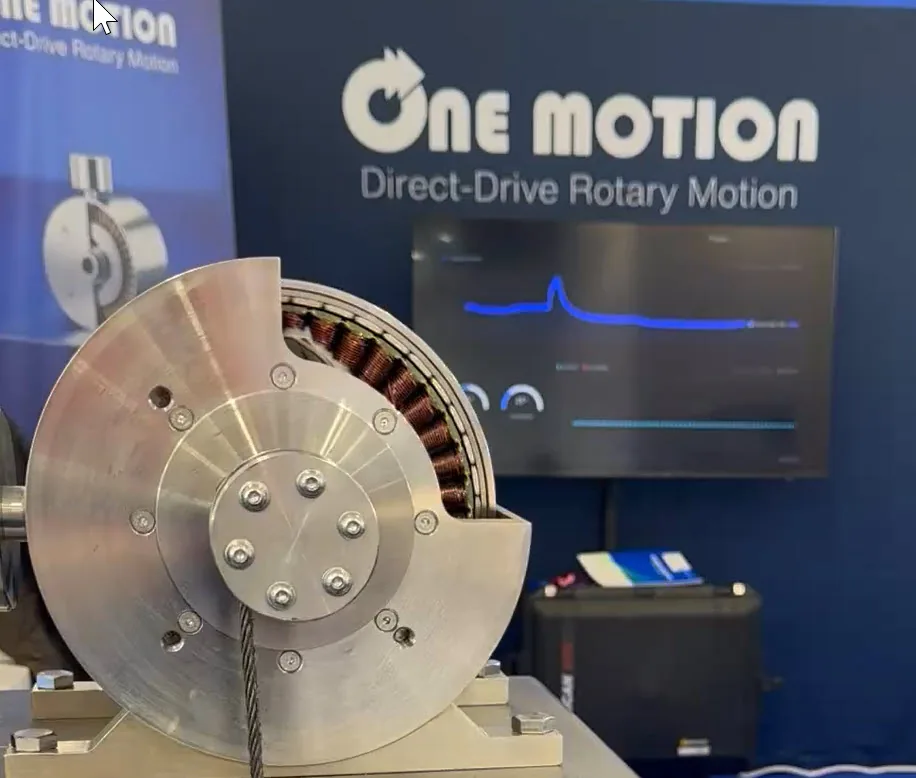
Enter One Motion PulleyDrive: Direct Drive Rotary Motion (DDRM)
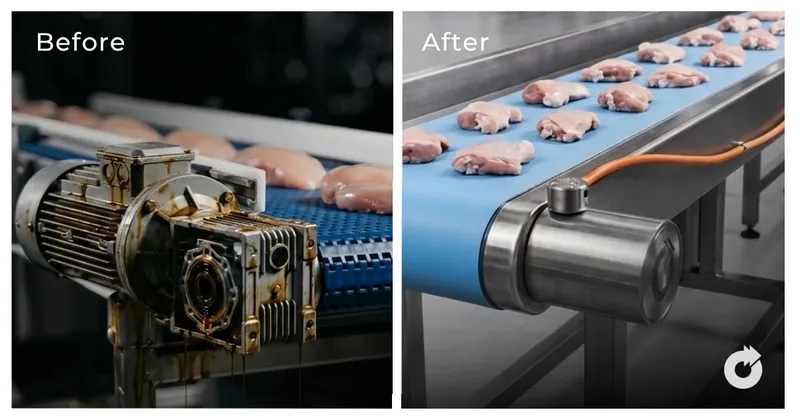
PulleyDrive is built differently. DDRM has no gears, so there’s nothing to lubricate. The motor runs cool, so it doesn’t need oil to carry heat away from the windings.
That means:
- No oil to change, leak or contaminate
- No gearbox or gear train to wear out
- No hot oil bath driving the breathing cycle
- No scheduled oil service or gearbox rebuilds
Proven in the field. One Motion DDRM has been running in food plants since 2014. In one customer’s fleet of 990 units across 42 plants, average service life is about five years.
Lower energy use. With no gear losses and no oil churning, DDRM puts more of the input power into moving the belt.
Built for washdown. PulleyDrive is IP69K-rated and has no external lubrication points, so it’s easier to clean in meat, poultry and food processing environments.
The future of conveying. Legacy systems will keep needing the rebuild network. New lines don’t have to. DDRM shifts the focus from fixing what breaks to designing out the parts that break most often.
If you’re planning your next conveyor project or looking to cut downtime and energy costs, let’s talk.
The safest food-grade oil is no oil at all.
#OneMotion #PulleyDrive #DDRM #FoodProcessing #FoodSafety #ConveyorReliability #HygienicDesign #OilFree
Found this useful? Share it with your team.